Baby's Logbook KDP Interior: Ready-to-Use PDF Files
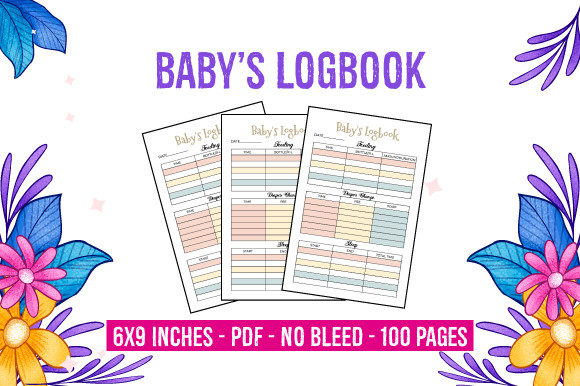
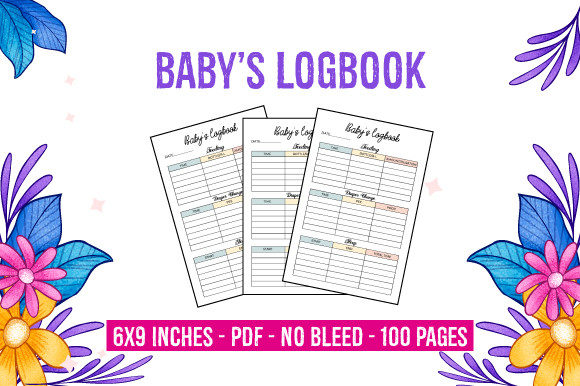
Creating a functional and appealing low-content book for Amazon Kindle Direct Publishing often comes down to the quality of the interior. For publishers focusing on the parenting niche, a Baby's Logbook KDP Interior provides a structured foundation that saves significant design time. This specific digital asset includes 100 pages of pre-formatted tracking sheets in a 6" x 9" trim size, delivered as high-resolution PDF files with no bleed settings. Rather than spending weeks designing individual tables or hiring a freelancer, creators can simply upload this ready-to-use file, add a custom cover, and publish a professional-grade journal.
The value of this resource extends beyond simple convenience. It addresses a specific market need for organized baby tracking while accommodating the technical requirements of print-on-demand publishing. However, how this tool serves you depends entirely on your current role, experience level, and business objectives. Whether you are a first-time self-publisher testing the waters or an established brand expanding your catalog, understanding the practical applications of these interiors helps determine if they align with your workflow.
Why Pre-Formatted Interiors Matter for Different Creators
A common misconception is that all KDP interiors serve the same purpose. In reality, a pre-made Baby's Logbook KDP Interior functions differently depending on who is using it. The 6" x 9" dimension is a standard trade paperback size that feels substantial enough for daily use yet portable enough for a diaper bag. This specific sizing, combined with a no-bleed configuration, simplifies the upload process and reduces formatting errors that frequently plague new accounts.
For Beginners and Side Hustlers
If you are new to Amazon KDP, the technical learning curve can be steep. Understanding margins, gutters, and bleed settings often leads to rejected manuscripts and frustration. For this group, the primary benefit of a ready-to-use PDF is risk reduction. You do not need to master Adobe InDesign or Canva to produce a viable product. The 100-page count is also strategically chosen; it meets the minimum page requirements for certain binding options without driving up printing costs excessively.
Beginners often prioritize speed and validation over unique customization. Using a verified template allows you to focus your limited energy on keyword research, cover design, and marketing rather than layout mechanics. This approach transforms the publishing process from a design project into a business experiment, allowing you to test whether the baby logbook niche is profitable before investing in custom assets.
For Experienced Publishers and Agencies
Seasoned KDP professionals view these interiors through the lens of scalability and portfolio diversification. You likely already know how to format a book, but creating 100 pages of consistent tables from scratch is time-consuming. For experienced users, this Baby's Logbook KDP Interior acts as a baseline asset. It frees up creative bandwidth to develop premium covers or bundle products rather than reinventing basic tracking pages.
Professionals may also use this file as a starting point for differentiation. While the core structure is ready-made, experienced publishers might overlay branding elements, add introductory content, or combine it with other public domain resources to create a unique offering. The high-resolution nature of the PDF ensures that even if you decide to modify or annotate the file later, the base quality remains sharp and print-ready.
Evaluating Quality and Technical Specifications
Regardless of your experience level, the technical integrity of the file dictates the final customer experience. When evaluating this interior, several factors determine its long-term usefulness and commercial viability.
- Resolution and Print Clarity: Low-content books rely heavily on crisp lines and legible text. High-resolution PDF files ensure that writing spaces and table borders do not appear pixelated or gray when printed. Blurry interiors lead to negative reviews, so verifying the sharpness of the 100 pages is essential before publishing.
- No Bleed Configuration: A no-bleed setup means all content stays within the safe margin zone. This is particularly important for logbooks where functional space is paramount. It prevents critical tracking fields from being trimmed off during the binding process and makes the file compatible with a wider range of KDP printing options.
- Page Count Efficiency: At 100 pages, this interior strikes a balance between perceived value and production cost. Thinner books can feel insubstantial to parents tracking months of data, while thicker books increase royalty thresholds. This specific count supports several months of daily logging without pricing the book out of the impulse-buy range.
- Standardized Dimensions: The 6" x 9" size is an industry standard for journals. It fits well on shelves and in bags, making it a practical choice for end-users. Deviating from standard sizes can sometimes limit distribution options or confuse customers expecting a traditional journal format.
Practical Applications Across User Types
The versatility of a Baby's Logbook KDP Interior becomes apparent when examining specific use cases. Different stakeholders leverage this asset to solve distinct problems.
Educators and Childcare Providers
While primarily marketed to parents, childcare professionals and early childhood educators often require standardized documentation tools. A pre-formatted logbook offers a consistent method for recording feeding, sleeping, and developmental milestones across multiple children or classrooms. For these users, the priority is reliability and uniformity. Having a ready-made template ensures that every caregiver uses the same format, reducing communication gaps between staff and parents.
Gift Givers and Hobbyists
Not everyone publishing on KDP is building a business empire. Some users are hobbyists creating personalized gifts for friends, family members, or community groups. For this audience, ease of use outweighs commercial optimization. Being able to download a high-quality interior and pair it with a sentimental cover design allows for the creation of meaningful, tangible gifts without requiring graphic design skills. The 100-page structure provides ample room for memories and records, adding emotional value to the physical object.
Marketers and Niche Researchers
For marketers analyzing the parenting niche, this interior serves as a benchmark. By examining the structure of successful ready-to-use files, researchers can identify which tracking fields are considered standard versus optional. This insight informs future product development or content strategy. Even if you do not publish this exact file, understanding its composition helps in evaluating competitor products and identifying gaps in the current marketplace.
Determining If This Resource Fits Your Goals
Before integrating a Baby's Logbook KDP Interior into your workflow, assess your specific needs against the asset’s capabilities. If your goal is to launch a highly unique, branded series with proprietary tracking methods, a generic pre-made interior may serve only as a rough reference. Custom design would be necessary to achieve true differentiation.
However, if your objective is to enter the market efficiently, validate a niche, or supplement an existing catalog with minimal overhead, this ready-to-use PDF is a practical solution. It eliminates technical barriers and provides a professional baseline that satisfies both KDP requirements and end-user expectations. Consider your timeline, budget, and desired level of customization. For many creators, the trade-off between absolute uniqueness and immediate usability makes pre-formatted interiors a strategic component of a sustainable publishing business.
Ultimately, the decision rests on how you define success. For some, success is a completely original product crafted from scratch. For others, it is the ability to consistently deliver useful tools to parents without getting bogged down in production details. This 100-page, 6" x 9" interior supports the latter approach, offering a reliable foundation for those who value efficiency and practical application in the competitive landscape of low-content publishing.