Donations Tracker Journal: Ready-to-Use KDP Interior
Creating a functional low-content book for Amazon KDP often stalls at the interior design phase. While generating a cover is relatively straightforward, formatting a consistent, high-quality 100-page manuscript requires significant time or expensive software subscriptions. The Donations Tracker Journal interior solves this bottleneck by providing a pre-formatted, print-ready PDF specifically designed for the charitable giving niche. This resource allows publishers to bypass the technical layout process entirely, focusing instead on market research, keyword optimization, and cover design.
This specific digital asset targets a growing segment of readers who require organized methods for tracking philanthropy, tithing, and community contributions. By utilizing a ready-made 6″ x 9″ template with no bleed settings, creators can upload a compliant file immediately after adding their unique cover. Understanding the practical application and strategic value of this pre-designed interior helps determine if it aligns with your current publishing portfolio and business goals.
Addressing the Specific Need for Charitable Record Keeping
Generic lined notebooks rarely satisfy users looking to track specific financial or emotional data related to giving. A dedicated Donations Tracker Journal serves a distinct purpose that general stationery cannot fulfill. For the end-user, this journal provides structured prompts for recording dates, recipient organizations, amounts, payment methods, and personal reflections on the impact of their contribution. This level of specificity transforms a simple notebook into a valuable tool for tax preparation, budget management, and spiritual or ethical reflection.
From a publishing perspective, this specificity reduces competition. The "donation tracker" keyword cluster is less saturated than generic gratitude journals or daily planners. When you offer a product that anticipates the user's exact workflow—such as including space for tax-deductible status notes or annual summary pages—you increase the perceived value of the book. The pre-designed interior included in this file addresses these functional requirements without requiring you to interview potential customers or conduct extensive usability testing.
Streamlining the Technical Production Workflow
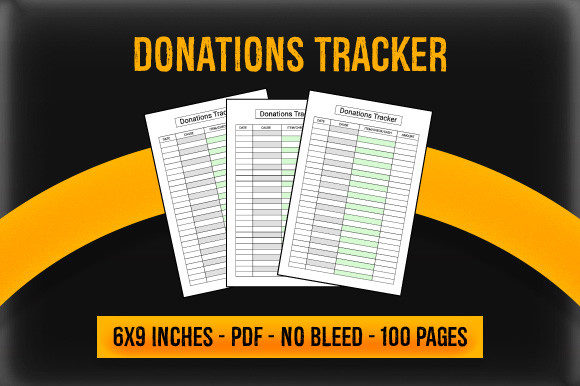
One of the primary advantages of using this ready-to-use PDF is the elimination of formatting errors. KDP rejection notices frequently cite issues with margins, bleed settings, or resolution. This Donations Tracker Journal interior is engineered to meet exact specifications:
- Dimensions: Standard 6″ x 9″ trade size, which offers an optimal balance of portability and writing space for adult users.
- Bleed Settings: Configured as "No Bleed," ensuring all content stays safely within the printable area and preventing accidental cropping during the binding process.
- Resolution: High-resolution PDF files ensure crisp lines and text, avoiding the pixelation that often plagues amateur designs created in basic word processors.
- Page Count: Exactly 100 pages, meeting the minimum threshold for many KDP distribution options while keeping printing costs low to maximize royalty potential.
For entrepreneurs managing multiple SKUs, this standardization is crucial. It removes the variable of design quality from the equation, allowing you to test different cover aesthetics and marketing angles with confidence that the interior product remains consistent and professional.
Who Benefits Most From This Pre-Made Interior
While any KDP publisher can use this file, certain profiles derive disproportionate value from it. Freelancers and side-hustlers building a passive income stream benefit from the drastic reduction in production time. Instead of spending ten hours designing a single interior, that time can be reallocated to creating five different covers or writing optimized book descriptions. Small business owners in the faith-based or non-profit consulting space may also find this useful as a branded lead magnet or supplementary product for their clients.
Educators and community leaders who self-publish resources for their organizations can utilize this tracker to provide tangible tools for students or members. Rather than paying a graphic designer hundreds of dollars for a custom layout, they can leverage this affordable, professional-grade template. Bloggers and content creators in the personal finance niche can similarly use this journal as a physical extension of their digital advice, offering readers a practical way to implement the concepts discussed in articles or videos.
Strategic Considerations for Market Differentiation
Using a pre-made interior does introduce a limitation: other publishers may have access to the same base file. To succeed with this Donations Tracker Journal, you must differentiate your product through external elements. The interior is merely the canvas; your competitive advantage lies in how you package and position it. Successful publishers using shared assets typically focus on superior cover design, as this is the primary click-driver on Amazon.
Consider creating covers that target specific sub-niches within the donation tracking category. A tracker designed specifically for "Church Tithing" requires different visual language than one marketed toward "Secular Philanthropy" or "Holiday Gift Tracking." Your title, subtitle, and backend keywords should reflect this specificity. Additionally, utilize the "Look Inside" feature effectively by ensuring your cover clearly communicates that the interior contains specialized tracking fields rather than blank lines. Transparency regarding the interior contents builds trust and reduces returns from customers expecting a different format.
Evaluating Fit and Limitations
Before integrating this 100-page PDF into your catalog, assess whether it matches your audience's expectations. The 6″ x 9″ size is versatile but may feel too compact for users who prefer expansive spreadsheets or large handwriting areas. If your market research indicates a preference for 8.5″ x 11″ formats, this specific asset may not be the right fit. Similarly, the "No Bleed" configuration means there are no full-page background graphics or edge-to-edge illustrations. If your brand identity relies on immersive, artistic layouts, a minimalist functional tracker might clash with your existing portfolio.
Furthermore, verify that the specific prompts and column headers in the pre-designed pages align with current tax regulations or cultural norms in your target market. While the layout is professionally constructed, regulatory environments change. A quick review ensures that terms like "tax-deductible" or specific currency symbols are appropriate for your intended geography. This due diligence prevents negative reviews stemming from outdated or irrelevant terminology.
Maximizing Efficiency in Low-Content Publishing
The ultimate value proposition of this Donations Tracker Journal interior is efficiency. In the volume-driven world of low-content publishing, speed to market often correlates with success. By securing a reliable, high-quality foundation, you reduce the friction associated with product creation. This allows for more agile testing of market demand. You can publish a version targeting one demographic, monitor sales data for thirty days, and pivot quickly to a new angle without having sunk dozens of hours into custom design work.
This approach also supports creativity by removing technical constraints. When you aren't wrestling with margin guides or alignment tools, your mental energy remains available for conceptual innovation. You might experiment with bundling this journal with other complementary products, creating series variations, or developing unique marketing copy that highlights specific benefits like "audit-ready organization" or "mindful giving practices." The ready-to-use PDF handles the structural heavy lifting, empowering you to focus on the strategic and creative aspects of building a sustainable KDP business.
Ultimately, this digital file represents a pragmatic solution for publishers seeking to expand into the charitable tracking niche. It balances professional quality with accessibility, enabling both newcomers and experienced creators to deliver a functional product that meets specific user needs. By understanding its strengths, acknowledging its limitations, and applying thoughtful differentiation strategies, you can effectively leverage this asset to build a meaningful addition to your publishing portfolio.