Client Profile Log Book: A Practical KDP Interior for Organizing Professional Relationships
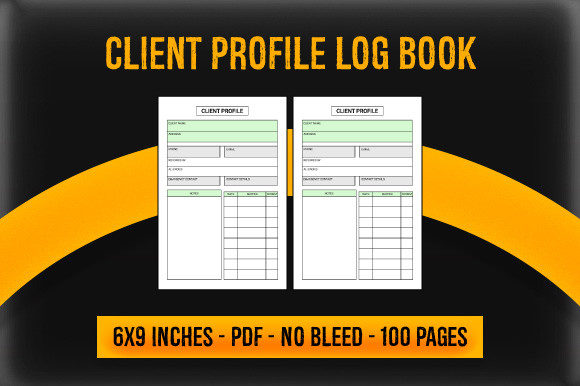
Managing client relationships often feels like a juggling act, especially when you are trying to scale a service-based business or side hustle. While digital CRMs are powerful, they can be expensive, overly complex, or simply distracting when you need to focus during a face-to-face consultation. This is where a dedicated Client Profile Log Book becomes an essential tool rather than just another notebook. It serves as a structured physical interface for capturing the nuanced details that software often misses, bridging the gap between casual conversation and professional record-keeping.
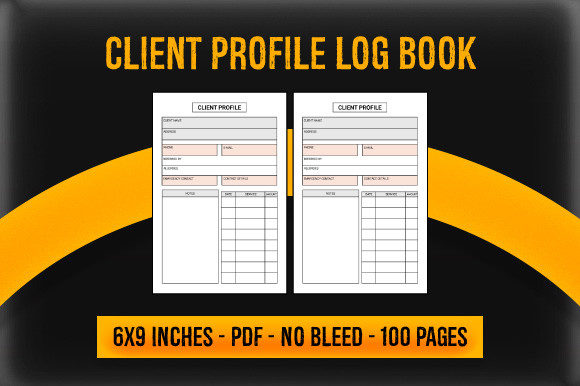
For Amazon KDP publishers and Print on Demand entrepreneurs, this specific interior solves a genuine problem for end-users. It isn't merely a collection of blank lines; it is a pre-formatted system designed to capture contact information, project history, preferences, and follow-up actions in a consistent manner. When you offer a high-resolution PDF file with 100 pages of purposeful interiors, you are providing a ready-to-use solution for freelancers, consultants, and small business owners who value tactile organization over digital clutter.
Real-World Scenarios for Physical Client Tracking
The true value of a Client Profile Log Book emerges in specific, tangible situations where pulling out a laptop or phone creates friction. Consider the independent hair stylist or esthetician. During a consultation, typing into a tablet can create a physical and psychological barrier between the professional and the client. Writing notes by hand in a dedicated log book signals active listening and care. The structured pages allow them to quickly jot down product preferences, allergy information, and personal milestones without breaking eye contact or disrupting the relaxing atmosphere of the salon.
Similarly, real estate agents and property managers benefit immensely from this format during open houses or site visits. Digital devices run out of battery, suffer from poor signal in basements, or get distracted by incoming notifications. A 6″ x 9″ log book fits perfectly in a jacket pocket or clipboard, allowing agents to capture buyer feedback, property-specific concerns, and immediate follow-up tasks while walking through a space. The physical act of writing helps reinforce memory, making it easier to recall specific client needs later when drafting personalized proposals.
Freelance creatives, such as graphic designers and photographers, also find unique utility in these logs during initial discovery calls. These meetings are often brainstorming sessions where ideas flow rapidly. A structured log book provides prompts that ensure critical business details—like budget constraints, timeline expectations, and aesthetic preferences—are captured alongside creative concepts. Instead of scrambling through loose sticky notes or disjointed digital docs later, the professional has a single, chronological source of truth for that client relationship.
Educational and Coaching Applications
Beyond traditional commerce, educators and private tutors use client profile logs to track student progress and parent communication. In tutoring, understanding a student’s learning style, emotional triggers, and past successes is as important as the curriculum itself. A dedicated log allows tutors to note patterns over time, such as which teaching methods worked best for a specific math concept or when a student seems most fatigued. This longitudinal data, kept in a simple physical format, informs lesson planning far better than generic grade books.
Life coaches and therapists (within appropriate ethical and privacy boundaries) utilize similar structures to maintain continuity between sessions. While clinical notes have strict requirements, a client profile log helps track logistical details, goal-setting milestones, and accountability checkpoints. Having a physical reference point allows practitioners to review previous commitments before a session starts, ensuring they show up fully prepared without navigating through screens that might associate with administrative stress rather than therapeutic presence.
Why the 6x9 No-Bleed Format Matters for Publishers
When creating KDP interiors, technical specifications directly impact user satisfaction and return rates. The 6″ x 9″ dimension is the industry standard for professional log books because it balances portability with adequate writing space. It is large enough to accommodate detailed notes without feeling cumbersome in a bag, yet compact enough to sit unobtrusively on a crowded desk or coffee table. Choosing a no-bleed configuration simplifies the printing process and reduces potential formatting errors, ensuring that margins remain consistent and text never gets trimmed during production.
The inclusion of 100 pages is a strategic sweet spot for this niche. Fewer pages make the book feel insubstantial and require frequent repurchasing, which can annoy users. More pages increase spine width and cost, potentially pricing out hobbyists or new freelancers. One hundred pages typically supports three to six months of active use for most service providers, aligning well with quarterly business reviews and natural replacement cycles. High-resolution PDF files ensure that lines are crisp and text is legible, which is non-negotiable for a functional tool. Blurry interiors destroy trust instantly in the low-content book market.
Considerations Before Publishing or Purchasing
Not every client tracking need is identical, so understanding the specific layout is crucial before committing to this interior. Users should evaluate whether the predefined fields match their workflow. A log book designed for dog walkers will differ significantly from one intended for financial advisors. Publishers must clearly describe the interior structure in their listing to manage expectations. Transparency about what fields are included prevents negative reviews from buyers who expected a different type of organization.
Data privacy is another critical consideration that responsible publishers should address in their book descriptions or introductory pages. Physical books lack encryption, so users handling sensitive medical, financial, or legal information must understand the security implications. Encouraging buyers to store the log book securely or use coded identifiers adds a layer of professional responsibility to the product. For publishers, adding a "This Book Belongs To" page and a confidentiality notice enhances perceived value and demonstrates an understanding of professional standards.
- Workflow Compatibility: Ensure the interior prompts align with the actual data points professionals need to capture during client interactions.
- Durability Expectations: Since these books are used frequently in field settings, matte covers often withstand wear better than glossy finishes in professional environments.
- Customization Potential: Some users prefer interiors with blank sections or dot-grid areas for sketching or mapping processes alongside structured data.
- Regulatory Compliance: Professionals in regulated industries may need to verify that physical record-keeping meets their specific documentation standards.
Transforming Organization into Business Growth
Ultimately, a Client Profile Log Book is more than stationery; it is a business development asset. Consistent record-keeping leads to better client retention because people remember being remembered. When a service provider can recall a spouse’s name, a preferred coffee order, or a previously mentioned pain point without checking a screen, it builds profound trust. This level of personalized attention differentiates solo professionals and small businesses from larger, impersonal competitors.
For KDP creators, success in this niche comes from serving these authentic needs rather than chasing trends. By providing a clean, functional, and professionally formatted interior, you enable your customers to build stronger relationships and run smoother operations. The ready-to-use PDF format removes technical barriers, allowing publishers to focus on marketing to specific niches like pet sitters, notaries, or personal trainers. When the product genuinely helps someone do their job better, it generates organic word-of-mouth and sustainable sales that outlast fleeting fads.
The shift toward intentional, analog tools in a hyper-digital world reflects a deeper desire for presence and quality in professional interactions. Your Client Profile Log Book facilitates that shift. It offers a sanctuary from notification fatigue and a dedicated space for human connection. Whether used by a seasoned consultant refining their practice or a new freelancer establishing their first systems, this interior provides the foundational structure necessary for growth, clarity, and professional excellence.