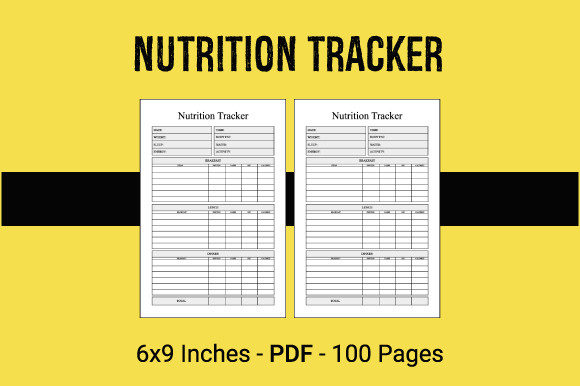
Nutrition Tracker Interior: KDP Design Assets
Streamlining your publishing workflow begins with selecting high-quality, pre-designed assets that balance aesthetic appeal with functional utility. For creators in the low-content book niche, a professionally crafted Nutrition Tracker Interior serves as more than just a template; it is a foundational design element that ensures consistency and usability for the end user. When you utilize ready-to-use PDF files specifically formatted for Print on Demand or Amazon KDP, you eliminate technical guesswork and focus on building a cohesive brand identity through superior visual communication.
The Role of Functional Design in Publishing
In modern graphic design, particularly within editorial and print design contexts, the user experience is paramount. A nutrition journal is not merely a collection of blank lines; it is a tool for behavior tracking and health management. Therefore, the interior layout must adhere to strict principles of visual hierarchy and readability. The 6″ x 9″ dimension included in this asset pack is an industry standard that offers optimal portability while providing sufficient canvas space for detailed data entry. From a UX design perspective, this size reduces cognitive load, making the daily logging process feel manageable rather than burdensome.
High-resolution PDF files are non-negotiable for professional presentation. Blurry lines or pixelated text degrade perceived value instantly. By utilizing crisp, vector-based interiors, designers ensure that every table, checkbox, and prompt maintains sharp edges during the printing process. This attention to detail reflects directly on your brand identity, signaling to customers that the product was created with intention and care.
Evaluating Technical Specifications for KDP
When integrating creative assets into a commercial project, understanding technical constraints is as important as artistic vision. This specific resource includes 100 pages of varied interiors with options for both bleed and no-bleed configurations. Understanding when to use each is critical for avoiding costly proofing errors:
- No Bleed Interiors: Ideal for structured layouts where all content sits safely within the margins. This style creates a clean, framed look that emphasizes organization and is generally safer for beginners in print design.
- Bleed Interiors: Essential when design elements extend to the edge of the page. This requires precise margin management but results in a more immersive, modern aesthetic often seen in premium wellness publications.
- Resolution Standards: Always verify that source files meet the 300 DPI threshold required for offset and digital printing to prevent artifacts in the final physical product.
Enhancing Brand Identity Through Consistency
A successful KDP business relies on recognizable branding across multiple titles. Using a standardized Nutrition Tracker Interior allows you to create a series of books that share a unified visual language. Just as logo design and color palettes establish recognition in web design or packaging design, consistent interior typography and layout structures build trust with repeat customers. When a user opens your book, the familiar grid systems and font choices should immediately reinforce your brand’s promise of quality and reliability.
This consistency extends beyond the book itself. The visual style established by these interiors can inform your broader marketing materials. Elements from the tracker can be repurposed for social media graphics, website UI mockups, or digital advertising campaigns. By treating the book interior as a core component of your design system rather than an isolated file, you create a seamless omnichannel experience that strengthens your market position.
Practical Applications Beyond Basic Tracking
Versatile design assets support diverse creative projects. While primarily intended for nutrition journals, these 100-page layouts can be adapted for various wellness-related publications. Consider how these structured pages might serve as inspiration for meal prep planners, fitness logs, or holistic health diaries. The modular nature of ready-to-use PDFs allows designers to mix and match pages, creating custom products tailored to specific audience demographics without starting from scratch.
Furthermore, these assets provide a practical solution for testing market demand. Because the heavy lifting of interior formatting is complete, creators can rapidly prototype new niches. Simply add a unique cover design—leveraging current design trends and effective typography—and publish. This agility is crucial in the fast-paced POD landscape, where speed to market often determines success.
Ultimately, the difference between a generic notebook and a best-selling health tool lies in the thoughtful application of design principles. Investing in premium, ready-to-use resources like this Nutrition Tracker Interior ensures that your products meet professional standards for readability, functionality, and visual appeal. By prioritizing high-quality assets and adhering to best practices in print and editorial design, you elevate your offerings from simple commodities to valuable tools that genuinely enhance the user's lifestyle and well-being.