Skiing Journal Interior: A Practical Resource for KDP and POD Publishers
Creating a successful low-content book on Amazon KDP often comes down to finding the right balance between niche specificity and broad appeal. The Skiing Journal Interior addresses this by providing a pre-formatted, 100-page layout designed specifically for winter sports enthusiasts. Rather than spending hours designing individual pages or struggling with margin settings, publishers can utilize this ready-to-use PDF file to launch a product that serves a distinct community. This digital asset eliminates the technical friction of book creation, allowing creators to focus entirely on cover design, keyword research, and marketing strategies that actually drive sales.
Understanding the Technical Specifications
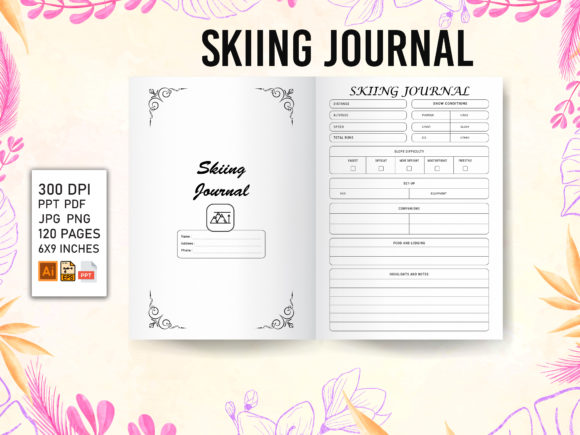
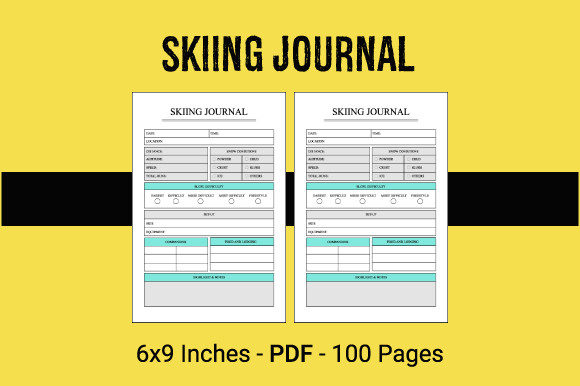
Before integrating any interior into your publishing workflow, it is essential to understand exactly what you are working with to avoid printing errors or customer dissatisfaction. This Skiing Journal Interior is formatted at 6″ x 9″ inches, which is widely considered the industry standard for portable journals. This size strikes a practical balance; it is large enough to write comfortably while wearing gloves or in cold conditions, yet compact enough to fit inside a ski jacket pocket or a backpack without adding bulk.
The file is provided as a high-resolution PDF with no bleed. For publishers new to KDP, "no bleed" means that all text and graphics are contained safely within the margins, ensuring nothing gets trimmed off during the printing process. This specification significantly reduces the risk of rejection during Amazon’s automated review process. The 100-page count is another strategic feature. It provides substantial value to the buyer without pushing the printing costs so high that the book becomes unprofitable. At this page count, you maintain healthy royalty margins even if you price the book competitively against generic notebooks.
Real-World Applications for Skiers and Snowboarders
To market this journal effectively, you must understand how the end-user actually interacts with it. Skiers and snowboarders do not use journals in the same way they might use a diary at home. The environment is cold, bright, and physically demanding. This interior is designed for quick logging rather than long-form prose. Users typically utilize these pages at specific moments:
- Post-Run Debriefs: Immediately after finishing a run or a lift ride, skiers often want to note snow conditions, visibility, or equipment adjustments before forgetting. The structured layout facilitates rapid data entry.
- Lodge Downtime: During lunch breaks or après-ski sessions, users reflect on the day’s highlights, injuries, or gear performance. This is where the journal transitions from a technical log to a memory keeper.
- Seasonal Tracking: Many enthusiasts track their vertical feet, days on snow, or resort visits over an entire season. A dedicated interior helps quantify progress and goals.
- Equipment Maintenance: Recording wax types, edge angles, or binding settings helps users replicate successful setups and troubleshoot issues later in the season.
When you understand these micro-moments, your marketing copy and cover design can speak directly to the utility of the book rather than just its aesthetic appeal.
Diverse Use Cases Beyond Personal Logging
While the primary audience is individual skiers, the versatility of this Skiing Journal Interior extends to several other commercial and educational segments. Recognizing these secondary markets can help you diversify your income streams or create bundled offerings.
Instructors and Ski Schools
Ski instructors and coaches often need to track student progress, lesson plans, and safety observations. While many schools provide digital tools, physical backups remain crucial in areas with poor cell service or when batteries die in freezing temperatures. An instructor could use this journal to document student milestones, injury reports, or daily lesson outcomes. Publishers targeting this B2B niche might consider branding covers with professional, minimalist designs rather than recreational graphics.
Rental Shops and Gear Testers
Equipment rental shops and reviewers frequently test demo gear throughout the season. Having a standardized place to record performance notes across different ski models, boot fits, or binding configurations creates valuable institutional knowledge. A journal tailored for gear testing allows staff to communicate effectively about which equipment suits which type of skier, improving customer satisfaction and reducing return rates.
Travel Bloggers and Content Creators
Winter travel content creators face unique challenges in documenting experiences. Phones can freeze, and typing with gloves is impractical. A physical journal serves as a reliable primary source for blog posts, video scripts, and social media captions created later. For publishers, this suggests a marketing angle focused on "content capture" and "storytelling" rather than just sport logging.
Strategic Considerations Before Publishing
Having a high-quality interior is only one component of a successful KDP business. Because this is a ready-to-use file, barriers to entry are lower, meaning competition can be higher. Success depends on how you differentiate your final product.
Cover Design Alignment
Your cover must accurately signal the interior's purpose. If the interior includes specific prompts for snow conditions or lift tracking, the cover should hint at this functionality. Avoid generic winter landscapes if the interior is highly technical; conversely, avoid overly technical covers if the interior is more reflective. Misalignment between cover promise and interior reality leads to negative reviews, which can permanently damage a listing’s ranking.
Keyword Research and Niche Validation
Before uploading, validate that there is actual search volume for skiing journals. Look for long-tail keywords like "skiing log book for adults," "snowboarding progress tracker," or "backcountry skiing journal." Broad terms like "ski journal" may be too competitive for new publishers. Analyze the best-selling books in this category to see what features customers praise or complain about in reviews. If competitors lack certain elements that this interior provides, highlight those differences in your book description and A+ Content.
Pricing and Royalty Strategy
Calculate your printing costs carefully. With 100 pages at 6x9, your fixed printing cost will be relatively low, but paper quality and ink type affect the final number. Determine a price point that offers perceived value while maintaining a royalty of at least $2-$3 per sale. Remember that seasonal products like skiing journals have peak sales windows from November through March. Plan your advertising spend and publication timeline to align with this demand cycle rather than launching in July when interest is minimal.
Evaluating Quality and Customer Expectations
Not all PDF interiors are created equal, and customers have become increasingly sophisticated about print quality. Before committing to this Skiing Journal Interior, verify the line weight and contrast. Lines that are too dark can feel overwhelming on the page, while lines that are too light may not print clearly on standard KDP cream or white paper. The ideal journal interior uses subtle gray tones that guide writing without dominating the visual space.
Consider the paper type as well. KDP standard color paper is suitable for most journaling, but if you plan to market this to artists or those who use markers, you may need to manage expectations regarding bleed-through. Being transparent about paper limitations in your book description builds trust and reduces returns. Additionally, ensure the interior includes adequate white space. Skiers writing in cold conditions or with limited dexterity need room to write legibly. Cramped layouts frustrate users and result in abandoned journals.
Building a Sustainable Low-Content Business
This Skiing Journal Interior represents a foundational asset, not a complete business solution. Sustainable KDP success comes from treating each interior as a starting point for brand building. Consider creating complementary products such as ski trip planners, equipment maintenance logs, or resort-specific guides. Over time, these related products can cross-promote each other and establish your author profile as a trusted resource in the winter sports niche.
Ultimately, the value of this digital file lies in its ability to streamline production while serving a genuine user need. By focusing on the practical realities of how skiers document their experiences, and by executing thoughtful differentiation in cover design and marketing, publishers can transform a simple PDF into a profitable, seasonally relevant product. The key is to always prioritize the end-user’s experience on the mountain over the convenience of the publishing process. When the product genuinely helps someone enjoy their sport more fully, sales and positive reviews tend to follow naturally.