KDP Interior: Bug Log Book for POD Publishing
Creating a successful low-content book on Amazon Kindle Direct Publishing often comes down to specificity. While generic notebooks saturate the market, specialized logbooks serve dedicated communities with distinct needs. The KDP Interior - Bug Log Book represents this strategic pivot toward utility and niche targeting. This digital asset provides a structured, 100-page foundation designed specifically for entomologists, gardeners, pest control professionals, and nature enthusiasts. By utilizing these ready-to-use PDF files, publishers can bypass the tedious design phase and focus entirely on market positioning and cover aesthetics.
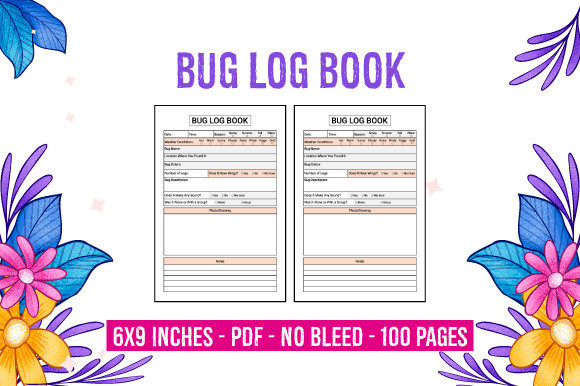
The value of this interior lies in its immediate applicability. It is not merely a blank journal; it is a functional tool formatted to industry standards. With dimensions set at 6″ x 9″ inches, it hits the sweet spot for portability and field usability. This trim size fits comfortably in cargo pockets, backpacks, or glove compartments, making it practical for outdoor use where bug tracking actually happens. The included high-resolution PDF files ensure that every line, checkbox, and header prints crisply, maintaining a professional appearance that builds trust with buyers who need reliable data recording tools.
Understanding the Technical Specifications
Before publishing, understanding the technical parameters of these KDP interiors is essential for avoiding printing errors and ensuring customer satisfaction. This package includes options for both bleed and no-bleed configurations. Selecting the correct file depends entirely on your cover design strategy. If your cover art extends to the edge of the page, you must use the bleed version and adjust your trim size settings in KDP accordingly. For designs with a defined border or margin, the no-bleed option provides a safer, more traditional layout.
The 100-page count is deliberate. In the low-content category, page count influences perceived value and spine width. A 100-page book allows for a readable spine text, which is crucial for shelf visibility and searchability. It also offers substantial utility without becoming unwieldy. For a bug log, this translates to roughly three months of daily entries or a full season of weekend observation, depending on the user's frequency. The high-resolution format guarantees that fine details, such as small checkboxes for species classification or weather conditions, remain sharp after printing.
Creative Applications Across Niches
A single interior template can serve multiple distinct audiences when marketed correctly. The versatility of the KDP Interior - Bug Log Book allows creators to build a portfolio rather than a single product. Consider the following adaptations:
- Scientific Field Research: Target biology students and academic researchers by emphasizing data integrity. Position the book as a companion to coursework or field studies. Use terminology like "specimen catalog," "habitat analysis," and "taxonomic notes" in your description.
- Gardening and Integrated Pest Management: Gardeners track bugs differently than scientists. They care about plant health and damage assessment. Adapt your marketing to focus on identifying beneficial insects versus pests. The interior’s structured fields help gardeners correlate insect activity with plant cycles.
- Pest Control Business Tools: Professional exterminators require documentation for compliance and client reporting. This logbook serves as a physical record of site inspections. Market it as a professional-grade field notebook for technicians who need to document findings offline.
- Nature Journaling and Education: Homeschoolers and nature clubs often seek structured activities for children. While the interior is professional, it can be framed as an educational exploration tool. Pair it with a colorful, illustrated cover to appeal to younger naturalists and their parents.
Designing Covers That Convert
Since the interior is pre-made, your creative energy should focus exclusively on the cover. The cover acts as the primary signal of relevance to your specific audience. A mismatch between cover style and interior function leads to returns and negative reviews. If you are targeting scientific professionals, opt for clean typography, botanical illustrations, or minimalist diagrams. Avoid cartoonish elements unless targeting children.
For the gardening niche, warm colors, macro photography of insects, or vintage engraving styles perform well. These visual cues instantly communicate the book's purpose. Always include clear subtitles that define the use case. "Bug Log Book" is descriptive, but "Field Guide & Insect Observation Journal for Gardeners" is targeted. The subtitle bridges the gap between the generic interior and the specific buyer intent. Remember that the 6x9 dimension requires precise cover sizing based on your chosen paper type and page count; always generate a new cover template after finalizing your interior selection.
Optimizing Metadata and Description
Having a high-quality KDP Interior - Bug Log Book is only half the equation. Discoverability relies on semantic relevance. When writing your book description, avoid generic filler. Instead, describe the actual user experience. Explain what specific data points the log captures. Does it have space for GPS coordinates? Weather conditions? Sketches? Listing these features helps potential buyers confirm the book meets their workflow requirements before purchasing.
Incorporate relevant keywords naturally within your description and backend slots. Terms like "entomology notebook," "insect identification tracker," "garden pest diary," and "field research log" connect with specific search intents. Avoid keyword stuffing; write for humans first. Your goal is to demonstrate expertise and utility. A description that reads like a helpful guide to using the logbook will outperform a list of disjointed keywords because it builds confidence in the product's quality.
Maintaining Quality and Consistency
Low-content publishing sometimes suffers from a reputation for poor quality. You can differentiate your brand by treating these PDF files as premium assets. Before publishing, order a proof copy. Verify that the margins provide adequate writing space and that the binding does not obscure entry fields near the gutter. Even though the interior is ready-to-use, your validation ensures the end product respects the customer's investment.
Consistency across a series builds brand recognition. If you release a Bug Log Book, consider expanding into related titles using similar formatting standards. A Plant Identification Log or Weather Tracking Journal could share the same 6x9 dimensions and typographic hierarchy. This creates a cohesive ecosystem where customers return for complementary tools. Standardizing your approach to bleed settings and resolution also streamlines your production workflow, reducing errors and saving time.
Practical Recommendations for Success
Success in this space requires balancing automation with intentionality. Here are actionable steps to maximize the potential of these ready-to-use interiors:
- Audit the Interior First: Download and review the PDF before designing anything. Understand exactly what prompts and structures exist so your cover and description accurately reflect the content.
- Create Mockups: Show the interior pages in your A+ Content or product images. Buyers of functional books want to see the layout. Hiding the interior creates friction; revealing it reduces purchase anxiety.
- Segment Your Listings: Do not try to sell one book to everyone. Create separate editions if necessary. A "Kids Bug Explorer" and a "Professional Entomologist Log" might use the same base interior but require completely different covers, titles, and marketing angles.
- Leverage Seasonal Trends: Bug activity is seasonal. Time your launches and advertising to coincide with spring emergence or summer gardening peaks. Update your backend keywords seasonally to capture timely traffic.
The KDP Interior - Bug Log Book is more than a digital file; it is a catalyst for building a specialized publishing business. By combining technical precision with thoughtful niche adaptation, you transform a simple PDF into a valuable resource for real people. Focus on solving problems for your audience, maintain high production standards, and let the utility of the product drive your success. In the world of print-on-demand, the most sustainable businesses are those that respect both the craft of bookmaking and the specific needs of their readers.