Chronic Pain and Symptom Journal: Leveraging Ready-to-Use PDF Interiors for KDP Success
The Intersection of Health Management and Low-Content Publishing
The demand for specialized health tracking tools has created a significant niche within the self-publishing industry. While general gratitude journals and planners saturate the market, functional books designed for specific medical needs remain underserved. A Chronic Pain and Symptom Journal represents a high-value intersection between consumer necessity and creator opportunity. For individuals managing conditions such as fibromyalgia, arthritis, or post-surgical recovery, these journals are not merely stationery; they are essential data collection instruments that facilitate better communication with healthcare providers.
For Print on Demand (POD) entrepreneurs and Amazon Kindle Direct Publishing (KDP) creators, this niche offers a pathway to sustainable sales through utility rather than novelty. The key to entering this space efficiently lies in utilizing professional-grade, ready-to-use PDF files for journal interiors. Rather than designing complex layouts from scratch, publishers can leverage pre-formatted 100-page templates specifically engineered for no and low-content books. These digital assets streamline the production workflow, allowing creators to focus on cover design, keyword research, and marketing while ensuring the interior content meets the rigorous standards required for medical tracking.
Technical Specifications and Production Standards
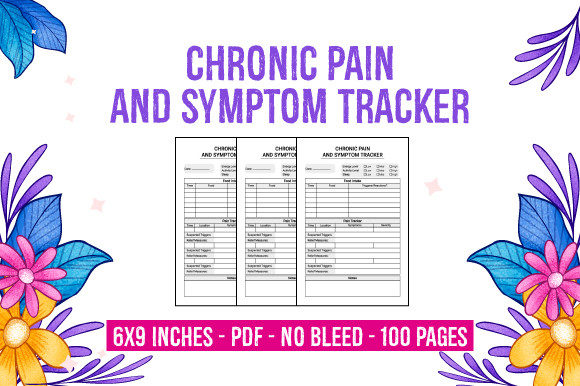
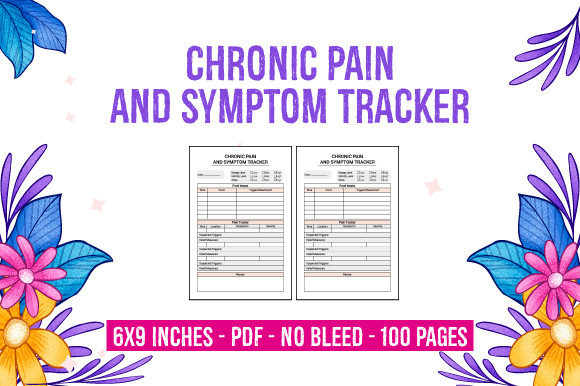
Success in KDP publishing relies heavily on adherence to technical specifications. When acquiring or utilizing a Chronic Pain and Symptom Journal interior template, understanding the physical parameters is critical for avoiding printing errors and ensuring a professional user experience. The industry standard for this type of functional journal is the 6″ x 9″ trim size. This dimension offers the perfect balance of portability and writing space, allowing users to carry the journal to doctor’s appointments without it being cumbersome.
The ready-to-use PDF files typically included in these commercial packages are configured with specific production settings:
- Dimensions: Precise 6″ x 9″ layout optimized for trade paperback binding.
- Page Count: Standardized 100 pages, which hits the sweet spot for spine width visibility on shelves while keeping printing costs low enough for competitive pricing.
- Bleed Settings: Configured as "No Bleed," meaning all text and graphical elements remain within the safe margin zone. This prevents crucial tracking fields from being trimmed during the binding process.
- Resolution: High-resolution PDF files ensure crisp lines and legible text, which is non-negotiable for medical records where clarity is paramount.
These pre-set specifications eliminate the guesswork involved in formatting. By using a verified no-bleed template, publishers avoid common rejection issues related to margins and gutter safety zones, significantly reducing the time from concept to publication.
Functional Anatomy of an Effective Pain Tracking Interior
A generic notebook does not qualify as a therapeutic tool. To provide genuine value, a Chronic Pain and Symptom Journal must contain structured prompts that capture actionable health data. When evaluating ready-to-use interiors, it is essential to verify that the 100 pages include comprehensive tracking fields beyond simple date and mood entries. High-quality interiors are designed based on patient advocacy best practices and clinical observation requirements.
Effective interiors generally incorporate the following distinct sections across their 100 pages:
- Pain Intensity Scales: Visual or numerical scales (e.g., 1-10) that allow for quick assessment of pain levels at different times of the day.
- Symptom Correlation Logs: Dedicated spaces to record weather changes, dietary intake, sleep quality, and stress levels alongside pain scores to identify triggers.
- Medication and Supplement Tracking: Structured tables for recording dosage, timing, and perceived effectiveness of treatments.
- Body Mapping Diagrams: Outlines of the human figure where users can shade areas of discomfort, providing visual data that complements written descriptions.
- Doctor Visit Summaries: Specialized pages designed to aggregate weekly or monthly data into a format suitable for clinical review.
By providing these specific structures, the POD product transitions from a blank book to a guided health companion. This level of detail justifies a higher price point and fosters positive reviews from users who find the tool genuinely helpful in managing their condition.
User Experience and Accessibility Considerations
Designing for the chronic pain community requires empathy and an understanding of physical limitations. Users of these journals may experience fatigue, brain fog, or limited dexterity. Therefore, the interior layout found in premium PDF templates prioritizes accessibility over aesthetic density. Ample white space, large fonts, and wide writing lines are not stylistic choices but functional necessities.
When selecting a ready-to-use file, examine the usability of the tracking fields. Are the checkboxes large enough to mark easily? Is there sufficient room to write detailed notes without cramping? Does the layout minimize the cognitive load required to complete a daily entry? A well-designed Chronic Pain and Symptom Journal reduces friction, making consistency easier for users who are already dealing with significant health burdens. This user-centric approach directly impacts customer satisfaction and reduces return rates due to "not as described" complaints.
Strategic Implementation for POD Businesses
Acquiring the interior file is only the first step. Integrating a 100-page KDP interior into a viable business model requires strategic differentiation. Since multiple sellers may utilize similar ready-to-use assets, the competitive advantage lies in how the product is packaged and presented. The cover design serves as the primary differentiator. While the interior remains standardized, the cover should reflect the specific sub-niche or aesthetic preference of the target demographic. Some users prefer clinical, clean designs that look like medical records, while others respond better to calming, nature-inspired, or abstract art that feels less stigmatizing.
Furthermore, metadata optimization must align with the specific contents of the PDF. If the interior includes migraine-specific tracking, keywords should reflect that specificity rather than generic "pain journal" terms. Descriptions should explicitly list the features included in the 100 pages, such as "includes body map," "medication tracker," or "sleep correlation log." Transparency builds trust. Customers searching for a Chronic Pain and Symptom Journal are often looking for a solution to a specific problem; clearly articulating how the interior solves that problem converts browsers into buyers.
Ethical Publishing and Content Responsibility
Publishing in the health niche carries inherent responsibilities. Creators must navigate the fine line between providing a useful organizational tool and making unauthorized medical claims. It is vital to understand that a KDP journal is a recording device, not a treatment. Product listings and book introductions should avoid language suggesting the journal will cure, diagnose, or treat any medical condition.
Additionally, when using commercial use licenses for PDF interiors, always verify the terms regarding modification and attribution. Most ready-to-use files permit publishing as-is or with minor modifications but prohibit reselling the digital file itself. Maintaining ethical business practices protects the longevity of the publisher's account and respects the intellectual property of the original designer. Adding unique value through custom covers, enhanced descriptions, and bundled resources ensures the final product is a distinct offering rather than a duplicate commodity.
Market Viability and Long-Term Relevance
The chronic illness management market continues to expand as populations age and awareness of invisible illnesses grows. Unlike trend-based low-content books that fade after a season, health tracking journals possess evergreen relevance. A Chronic Pain and Symptom Journal addresses a perpetual need. Patients require ongoing tracking for years, leading to potential repeat purchases if the initial experience is positive.
For educators and researchers, these journals also serve as valuable resources. Occupational therapists, pain management clinics, and health coaches frequently recommend tracking tools to clients. By positioning a KDP book as a professional-grade resource, publishers can tap into B2B referral channels. Providing a high-resolution, professionally formatted 6″ x 9″ interior ensures the product meets the expectations of both individual consumers and healthcare professionals recommending them.
Ultimately, the synergy between high-quality ready-to-use PDF interiors and thoughtful publishing strategy creates a sustainable niche. By focusing on the functional integrity of the 100-page layout, adhering to strict 6″ x 9″ no-bleed specifications, and respecting the end-user's experience, publishers can create products that genuinely assist those managing chronic pain while building a resilient segment of their KDP portfolio.